Montana weather doesn’t play nice with roofs. Long winters, heavy snow loads, freeze–thaw cycles, summer hail, and high winds all take their turn. A roof here isn’t just curb appeal—it’s a working system that protects the structure every single day.
If you’re selling, maintaining, or just trying to avoid a nasty surprise, it pays to understand what the climate does to roofing—and how to stay ahead of it.
The Big Weather Threats to Montana Roofs
❄️ Heavy Snow & Ice Dams
Snow looks harmless until it stacks up. Weight stresses framing, and melting snow that refreezes at the eaves forms ice dams. Water backs up under shingles and finds its way into ceilings and walls.
What it causes:
- Leaks along exterior walls
- Damaged shingles and underlayment
- Gutter strain and fascia rot
What to do:
- Proper attic insulation
- Balanced roof ventilation
- Ice & water shield at eaves
- Safe snow removal when needed
🌡️ Freeze–Thaw Cycles
Montana swings from warm sun to freezing nights. That daily expansion and contraction is hard on materials.
What it causes:
- Cracked shingles
- Fastener loosening
- Flashing separation
- Seal failure around penetrations
What to do:
- Annual roof inspections
- Replace aging sealants
- Use climate-rated roofing systems
🌩️ Hailstorms
Hail doesn’t have to be baseball-sized to cause damage. Even smaller stones bruise shingles and shorten roof life.
What it causes:
- Granule loss
- Impact fractures
- Compromised waterproofing
- Insurance claims
What to do:
- Post-storm inspections
- Impact-rated shingles
- Prompt repairs to prevent leaks
💨 High Winds
Open terrain and mountain weather create serious wind exposure.
What it causes:
- Lifted shingles
- Torn ridge caps
- Exposed underlayment
- Water intrusion points
What to do:
- Proper fastening patterns
- Sealed ridge systems
- Secure flashing at all transitions
☀️ Intense UV & Summer Heat
High elevation means stronger UV exposure. Sun bakes roofing materials year after year.
What it causes:
- Shingle drying and curling
- Sealant breakdown
- Color fading
- Reduced lifespan
What to do:
- UV-resistant materials
- Routine condition checks
- Timely replacement before failure
Roofing Materials That Handle Montana Conditions
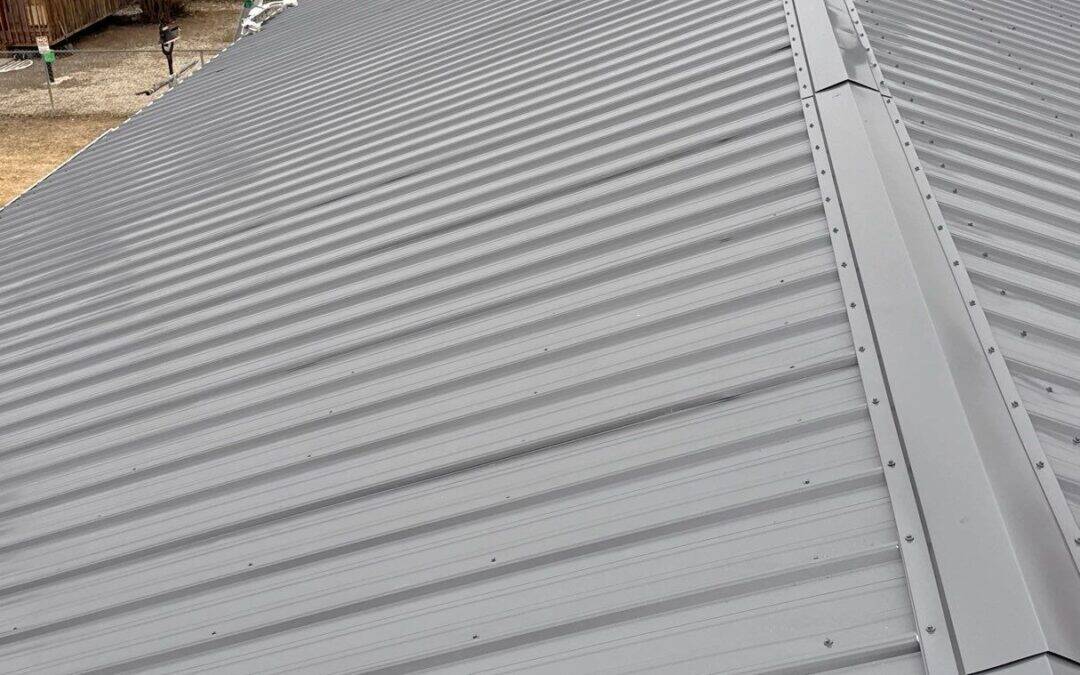
Metal Roofing
- Sheds snow naturally
- Resists hail better than most materials
- Long lifespan
- Low maintenance
Ideal for heavy winter regions and homeowners planning long-term.
Architectural Asphalt Shingles
Modern dimensional shingles are stronger and more wind-resistant than older 3-tab styles.
Quality systems like Malarkey Roofing Products are engineered for impact resistance and harsh climates, making them a solid choice for Montana homes.
Maintenance That Saves Thousands
A roof rarely fails all at once. Problems start small and grow quietly.
Smart habits:
- Annual visual inspections (spring & fall)
- Check attic for moisture or daylight
- Clear debris from valleys and gutters
- Inspect after major storms
Catching issues early means simple repairs—not full replacements.
Signs Your Roof Is Wearing Out
Watch for:
- Missing or curling shingles
- Granules in gutters
- Water stains on ceilings
- Sagging rooflines
- Loose flashing
If you see one, it’s time to take a closer look.
Planning to Sell? Roof Condition Matters
Buyers and inspectors zero in on roofing. A worn roof:
- Triggers repair negotiations
- Delays closings
- Scares off buyers
A solid roof:
- Boosts buyer confidence
- Supports asking price
- Speeds up the sale
Protect Your Home from the Top Down
Montana weather is tough. Your roof should be tougher.
MCLC Contracting installs and replaces roofing systems built for real-world conditions—metal and architectural shingles done right, with clean workmanship and reliable protection.
Phone: 406-565-3999
Email: mclccontracting@gmail.com
Website: www.mclccontracting.com
Storms are inevitable. Roof problems don’t have to be.