Water is relentless. It doesn’t need a flood—just a tiny gap, a missed seam, or sloppy flashing. Once moisture gets behind siding, it quietly attacks sheathing, insulation, and framing. Left alone, that turns into rot, mold, and expensive structural repairs.
The good news? Proper siding installation stops the problem before it starts.
Why Water Gets Behind Siding in the First Place
Most siding failures aren’t product failures—they’re installation failures. Common culprits:
- Improper flashing around windows, doors, and penetrations
- Missing or poorly installed house wrap (weather-resistive barrier)
- Tight nailing that prevents siding from expanding and draining
- Bad seams where water can wick inward
- No drainage path at the bottom edge
Siding isn’t meant to be a submarine hull. It’s a shedding system. Water hits the surface, drains down, and exits. If the layers behind it aren’t installed correctly, moisture gets trapped where it doesn’t belong.
The Moisture Defense System (How It’s Supposed to Work)
Think of your exterior wall like a rain jacket with layers:
- Siding (First Defense)
Deflects the bulk of rain and snow.
- Flashing (Critical Control Points)
Directs water away from joints, openings, and transitions.
- Weather-Resistive Barrier (WRB)
The backup layer that stops wind-driven moisture.
- Proper Ventilation & Drainage
Allows any incidental moisture to escape.
If one layer fails but the others are done right, your home stays protected. If corners get cut, water wins.
Where Mold and Rot Actually Start
Moisture problems usually begin in predictable spots:
- Window and door perimeters
- Roof-to-wall intersections
- Deck ledger connections
- Butt joints and vertical seams
- Bottom courses without drainage clearance
These areas need experienced hands and old-school attention to detail. Fancy materials won’t save careless workmanship.
Installation Details That Make or Break the Job
Proper Flashing
Every opening gets layered flashing that overlaps like shingles—top layers always shedding over bottom layers. Backwards layering is an open invitation for leaks.
Correct House Wrap Installation
Seams taped. Overlaps done right. Integrated with window flashing—not just stapled on and forgotten.
Expansion Gaps & Fastening
Siding must move with temperature changes. Overdriven nails and tight joints cause buckling and gaps.
Drainage & Clearance
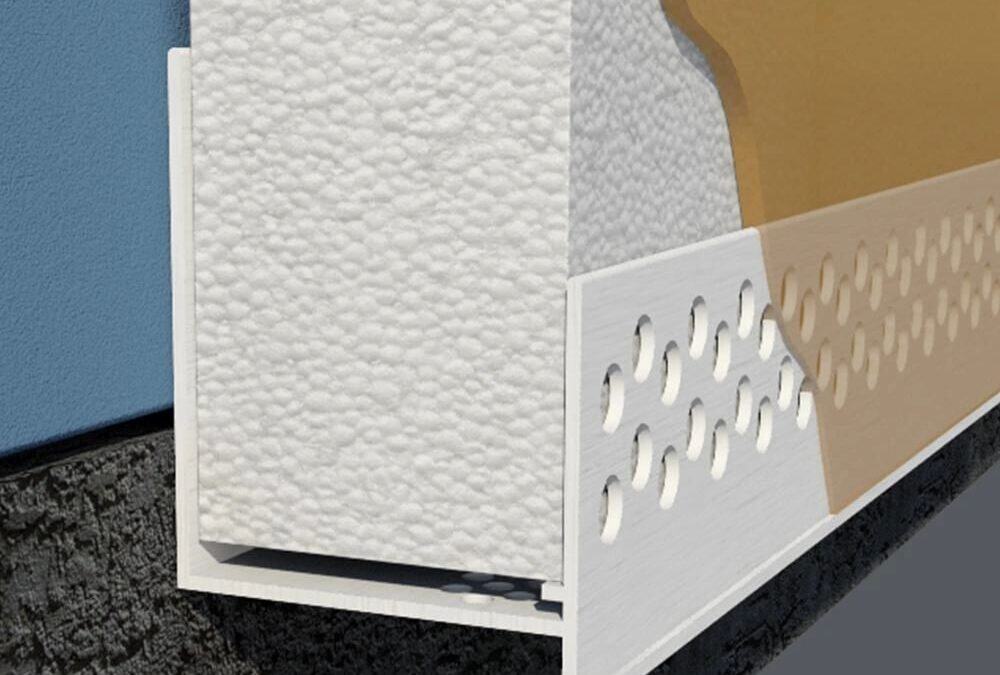
Starter strips, weep paths, and ground clearance keep water moving out—not soaking in.
Quality Materials Still Need Proper Craftsmanship
Premium siding performs best when installed correctly. Products like LP SmartSide and Diamond Kote are built to handle tough climates—but only if the moisture system behind them is done right.
Material warranties don’t cover bad installs. Craftsmanship matters.
Warning Signs Your Siding May Be Letting Water In
Homeowners should watch for:
- Bubbling paint or swollen trim
- Musty interior smells
- Soft spots on exterior walls
- Staining beneath windows
- Interior drywall discoloration
By the time you see mold indoors, the problem has been working for a while.
The Long-Term Payoff of Doing It Right
Proper siding installation:
✔ Prevents structural rot
✔ Stops mold before it starts
✔ Protects insulation performance
✔ Extends exterior lifespan
✔ Preserves home value
Do it once. Do it right. Sleep better when the storms roll in.
Professional Installation Matters
Exterior work isn’t a shortcut trade. Details separate a job that looks good from a job that stays good.
An experienced crew handles:
- Full moisture barrier integration
- Code-compliant flashing methods
- Proper fastening and spacing
- Clean fit and finish
That’s how you avoid callbacks and costly repairs later.
Need Siding Done the Right Way?
MCLC Contracting installs siding systems built for Montana weather—no corner cutting, no guesswork, just solid craftsmanship and clean finishes.
Phone: 406-565-3999
Email: mclccontracting@gmail.com
Website: www.mclccontracting.com
If your siding is aging, damaged, or was installed “fast and cheap,” it’s worth a second look. Water always finds the weak spot. Let’s make sure your home doesn’t have one.