When it comes to maintaining a comfortable, energy-efficient home, the condition of your windows and siding plays a significant role. Over time, both can become worn out, leading to energy loss, higher utility bills, and a less comfortable living environment. Fortunately, upgrading your windows and siding is an effective way to improve your home’s energy efficiency. Here’s how new windows and siding can help and what to look for when making these upgrades.
1. Why Energy Efficiency Matters
Energy efficiency is not just about saving money; it’s about creating a more sustainable home. By improving energy efficiency, you reduce the amount of energy needed to heat or cool your home, which can reduce your carbon footprint. It’s a win-win situation for your wallet and the environment.
2. The Role of Windows in Energy Efficiency
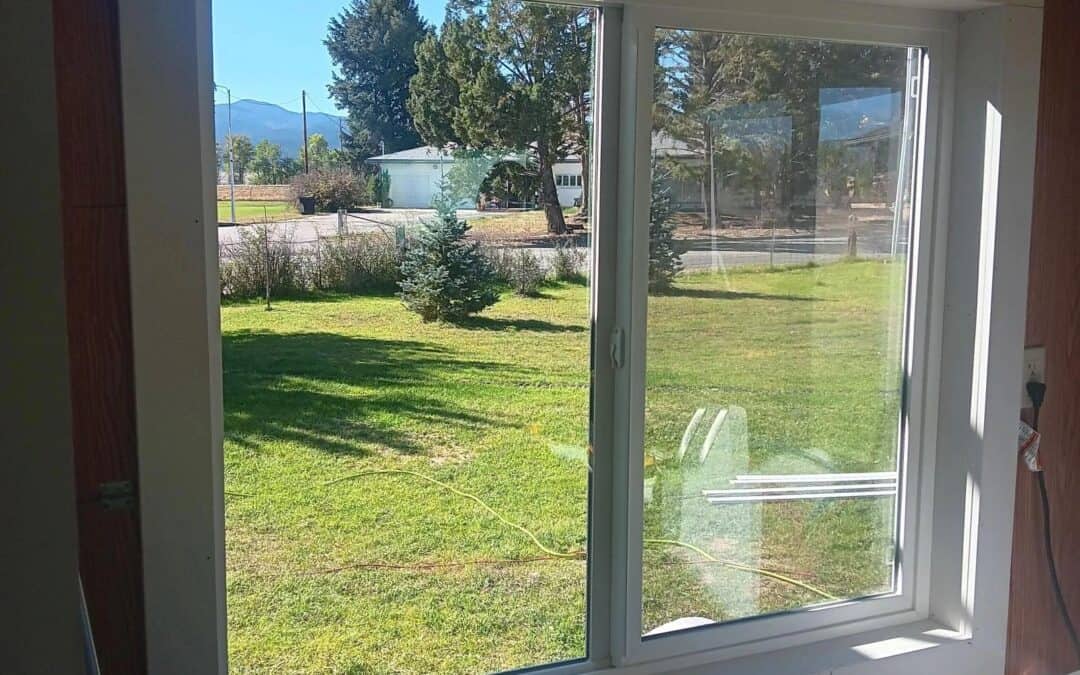
Windows are a major source of heat loss or gain in any home. Old, drafty windows allow air to escape in the winter and let in unwanted heat in the summer. If your windows are single-pane, cracked, or improperly sealed, you’re likely paying more for heating and cooling than you need to.
How New Windows Help:
- Double or Triple-Pane Glass: Modern windows with multiple panes of glass offer much better insulation. A layer of gas, such as argon or krypton, is often trapped between the panes, enhancing the window’s ability to block heat transfer.
- Low-E Coatings: Low-emissivity (Low-E) coatings reflect heat back into your home during the winter and keep it out during the summer, helping regulate indoor temperatures year-round.
- Better Seals and Frames: New windows come with upgraded seals that prevent air leakage, improving energy efficiency. Also, frames made from materials like vinyl or fiberglass are better insulators than older, wooden frames.
By upgrading to energy-efficient windows, you’ll notice a reduction in drafts, lower energy bills, and a more stable indoor temperature.
3. The Importance of Siding in Energy Efficiency
While windows are often the first thing that comes to mind when thinking about energy efficiency, siding also plays a key role. Your siding acts as the outer barrier that keeps your home insulated from the elements. If your siding is old, damaged, or poorly insulated, it can lead to significant heat loss and increased energy costs.
How New Siding Helps:
- Improved Insulation: Modern siding materials, such as LP SmartSide, often come with built-in insulation or can be paired with additional insulation to boost energy efficiency. This added layer helps keep warm air in during the winter and cool air in during the summer.
- Durability and Tightness: New siding materials, like Diamond Kote, are designed to withstand the elements and seal out moisture, which reduces the likelihood of drafts. Tight seams and durable materials protect your home from air and water infiltration.
- Reflective Surfaces: Certain types of siding, such as insulated vinyl or composite materials, can be designed with reflective properties to reduce the amount of heat that enters your home from the sun, keeping interiors cooler in the summer.
4. Additional Benefits of New Windows and Siding
In addition to improved energy efficiency, new windows and siding offer several other benefits:
- Aesthetic Appeal: New windows and siding give your home a fresh, updated look, boosting curb appeal and possibly increasing the resale value of your home.
- Lower Maintenance: Modern materials like vinyl or composite siding are low-maintenance and resistant to rot, fading, and pests, reducing the time and effort required for upkeep.
- Noise Reduction: Upgraded windows and insulated siding can also help reduce outdoor noise, creating a more peaceful indoor environment.
5. Choosing the Right Materials for Your Home
When selecting new windows and siding, consider the following factors:
- Climate: Choose materials that are suitable for the climate in your area. For example, insulated vinyl windows and siding are great for cold climates, while reflective materials are perfect for warmer regions.
- Budget: While some materials may come with a higher upfront cost, they can save you money in the long run by improving energy efficiency and requiring less maintenance.
- Style: Your windows and siding should complement the architectural style of your home. Choose colors, textures, and finishes that enhance your home’s appearance.
6. Professional Installation for Maximum Efficiency
Installing windows and siding is a job that requires precision and expertise. Proper installation ensures that the materials perform as designed and achieve the maximum energy efficiency possible. At MCLC Contracting, we handle every installation ourselves, ensuring that your new windows and siding are installed with the highest standards of quality and craftsmanship.
Conclusion
Upgrading your windows and siding is one of the most effective ways to improve your home’s energy efficiency. By investing in modern, energy-efficient materials and ensuring proper installation, you can enjoy a more comfortable, sustainable, and cost-effective living space. If you’re ready to enhance your home’s energy efficiency, contact us today to discuss your options and get started on the path to a more energy-efficient home.