Siding does more than cover a house—it defines its character, protects the structure, and affects long-term maintenance costs. One of the biggest style decisions homeowners face is vertical vs. horizontal siding.
Both are solid choices. The right one depends on your home’s architecture, budget, and performance needs. Let’s compare them side by side so you can make a smart call.
The Visual Difference
Vertical Siding (Board & Batten Style)
Vertical siding runs from roofline to foundation. It creates clean, tall lines that make homes look:
- Taller and more modern
- Farmhouse or contemporary in style
- Bold and architecturally distinct
Great for accent walls or full exteriors when you want a standout look.
Horizontal Siding (Lap Style)
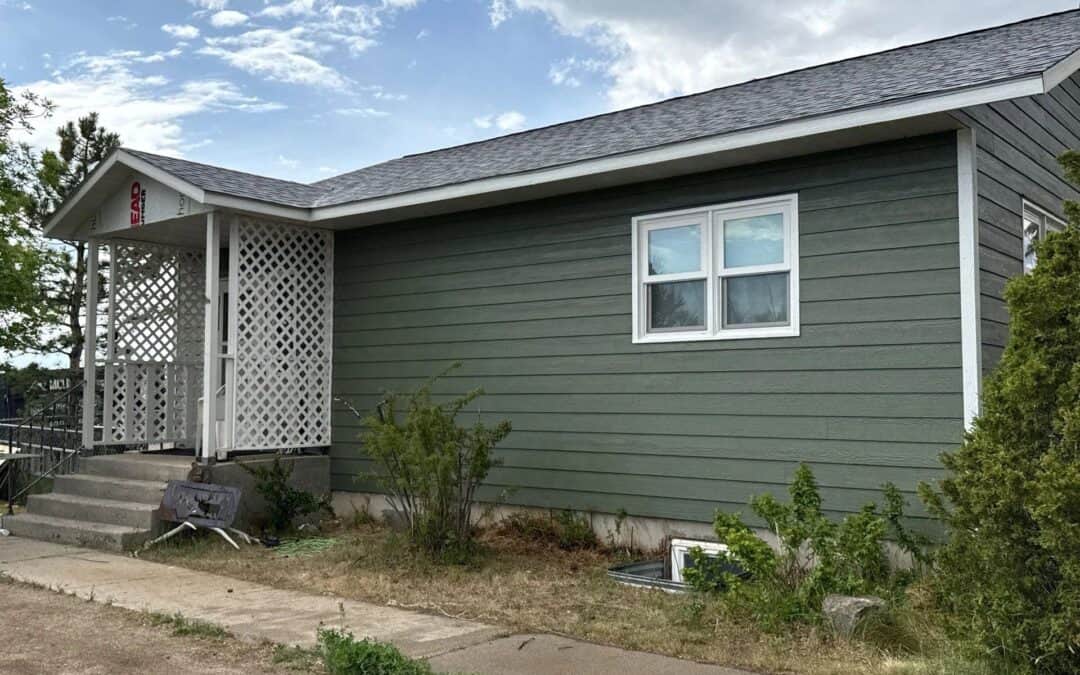
Horizontal siding runs parallel to the ground. It’s the most common residential style and gives homes:
- Classic, traditional appearance
- Strong shadow lines
- Balanced, familiar curb appeal
It works with nearly every home design.
Style Considerations
Choose Vertical When:
- You want modern farmhouse or contemporary design
- Your home needs visual height
- You want an accent feature to break up large walls
Choose Horizontal When:
- You prefer timeless traditional style
- Matching existing neighborhood homes matters
- You want broad resale appeal
Vertical stands out. Horizontal blends in—on purpose.
Cost Comparison
Material Costs
- Horizontal siding is typically more affordable
- Vertical siding may require furring strips or specialty trim
Labor Costs
- Horizontal installs faster due to standard layouts
- Vertical requires more layout precision and trim work
Bottom Line:
Vertical siding usually costs more in both materials and labor.
Performance & Durability
Water Management
- Horizontal siding sheds water naturally due to overlap
- Vertical siding performs well when properly flashed and sealed
Proper installation matters more than orientation.
Wind Resistance
- Both styles perform well when fastened correctly
- Vertical panels may handle uplift differently depending on product type
Maintenance
- Horizontal lap can collect dirt along lower edges
- Vertical siding may show fewer horizontal debris lines
Cleaning needs are similar overall.
Best Material Options for Both Styles
Modern engineered products work well in either orientation.
Durable systems like LP SmartSide offer:
- Impact resistance
- Moisture protection
- Long lifespan
- Flexible design options
Pre-finished solutions from Diamond Kote provide:
- Factory-applied finishes
- Fade resistance
- Lower maintenance
- Consistent color quality
Quality materials make both styles reliable in harsh climates.
Energy Efficiency
Siding orientation has minimal impact on insulation value. Performance depends on:
- Proper house wrap
- Insulated sheathing
- Air sealing
- Installation quality
The system behind the siding does the heavy lifting.
Resale Value Considerations
- Horizontal siding appeals to the widest buyer base
- Vertical siding can increase perceived design value on modern homes
If resale is near-term, traditional styles play it safe.
Mixing Both for a Custom Look
Many modern homes combine styles:
- Horizontal main walls
- Vertical accent sections
- Board-and-batten gables
This adds depth without overwhelming the design.
So, Which Is Right for You?
Go Vertical if you want:
✔ Modern farmhouse style
✔ Bold architectural lines
✔ Standout curb appeal
Go Horizontal if you want:
✔ Classic residential look
✔ Lower installation cost
✔ Broad buyer appeal
Both work. The key is proper installation and quality materials.
Build It Right the First Time
MCLC Contracting installs vertical and horizontal siding systems built for Montana weather—with clean lines, tight seams, and long-lasting performance.
Phone: 406-565-3999
Email: mclccontracting@gmail.com
Website: www.mclccontracting.com
Good design is style. Good workmanship is value.